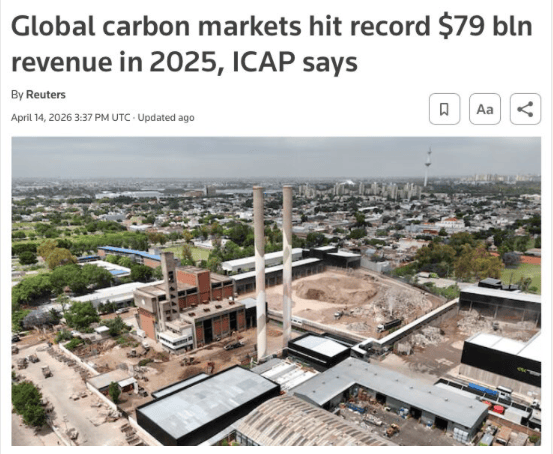
The sustainability discussion changes fundamentally when carbon carries an economic cost.
At that point, emissions are no longer primarily a reporting or communications issue. They become relevant to sourcing, manufacturing, logistics, energy consumption, product design, investment decisions and ultimately margins.
For management teams and investors, this changes the nature of the discussion. The important questions become increasingly practical: Where is carbon embedded in the value chain? Can it be measured accurately? What alternatives exist? What does it cost to change? And where can lower emissions also result in lower costs, reduced risk or stronger customer propositions?
At Lanell, we see this as another reason why sustainability increasingly belongs within normal business and investment analysis rather than being treated as a separate ESG exercise.
Once externalities become costs, operational excellence and sustainability start to converge. Companies with better data, more efficient processes and greater control of their supply chains should therefore be better positioned to respond.
Read Niels Stenfeldt’s perspective here:
https://www.linkedin.com/posts/stenfeldt_sustainability-carbonpricing-manufacturing-activity-7450101219131285504-gp1L

